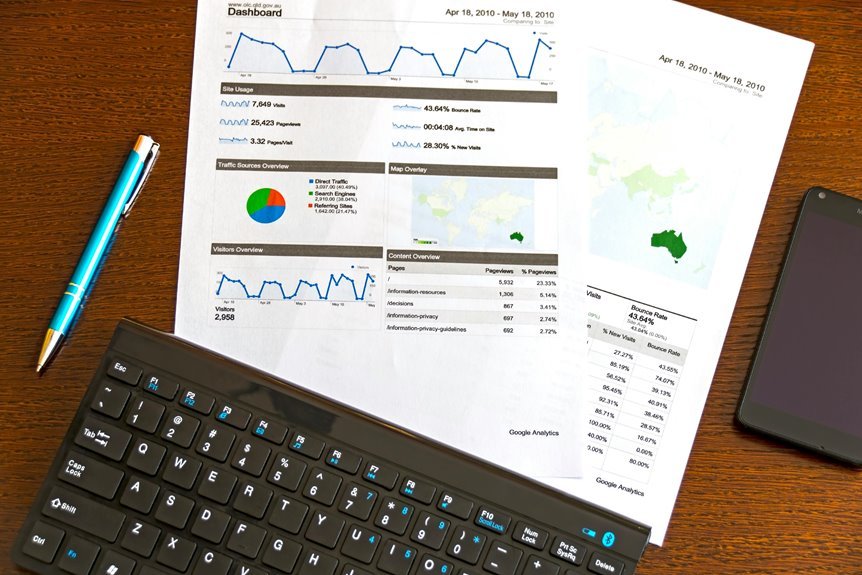
Strategic market analytics relies heavily on unique identifiers such as 699803021, 8437613946, and others to provide valuable insights into consumer behavior and market trends. By analyzing these identifiers, businesses can segment their markets effectively and tailor their marketing strategies accordingly. This analytical approach not only enhances decision-making but also prepares companies to adapt to evolving consumer demands. The implications of these insights extend far beyond initial observations, prompting further exploration into their potential applications.
Understanding Unique Identifiers in Market Analytics
Unique identifiers serve as critical tools in market analytics, facilitating the precise tracking and analysis of consumer behaviors and market trends.
By employing unique identifiers, businesses can effectively implement market segmentation, allowing for tailored marketing strategies that resonate with specific consumer groups.
This granularity provides insights that enhance decision-making, ultimately promoting a more liberated approach to understanding and engaging diverse market segments.
Analyzing Market Trends With Strategic Data
Strategic data analysis plays a pivotal role in identifying and interpreting market trends, enabling businesses to respond proactively to evolving consumer demands.
By employing trend forecasting techniques and leveraging data visualization tools, organizations can effectively analyze patterns and derive actionable insights.
This analytical approach not only enhances decision-making processes but also fosters adaptability, allowing companies to thrive in dynamic market environments.
Leveraging Consumer Behavior Insights
Understanding consumer behavior is essential for businesses aiming to tailor their offerings and enhance customer satisfaction.
By analyzing consumer decision making, companies can identify patterns that influence purchasing choices.
Behavioral segmentation allows businesses to categorize consumers based on shared characteristics, enabling more effective marketing strategies.
This targeted approach not only improves engagement but also fosters loyalty, ultimately driving long-term success in competitive markets.
Implementing Data-Driven Strategies for Business Growth
Harnessing data effectively can propel businesses toward sustainable growth by enabling informed decision-making.
Through robust data integration, organizations can consolidate diverse data sources, enhancing their analytical capabilities.
Predictive modeling further empowers businesses to forecast trends and consumer behaviors, allowing for proactive strategies.
Conclusion
In summary, strategic market analytics harnessing unique identifiers such as 699803021, 8437613946, and others serve as a compass for businesses navigating the complex landscape of consumer behavior and market trends. By decoding these identifiers, companies can tailor their strategies to not only meet but anticipate customer needs, fostering loyalty and sustainable growth. Ultimately, leveraging data-driven insights transforms businesses into agile entities, ready to dance to the rhythm of ever-evolving market demands.