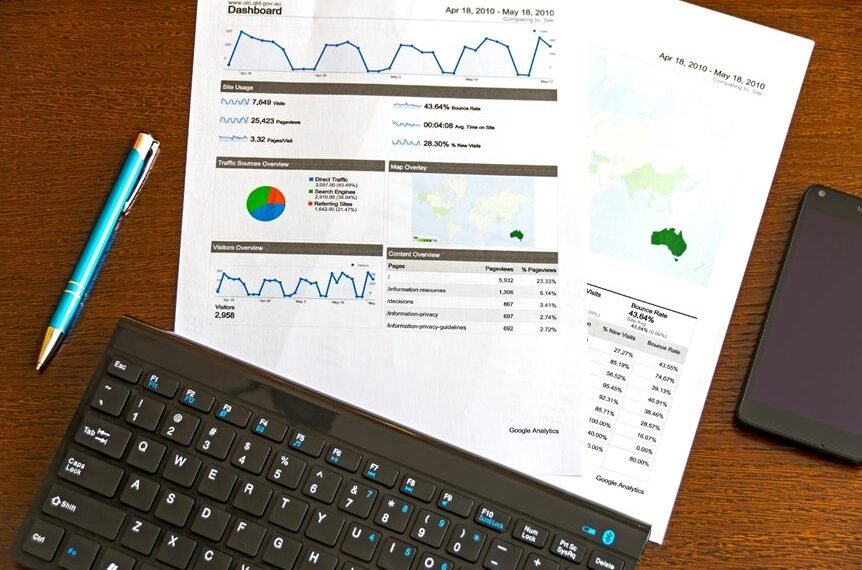
In today’s competitive landscape, leveraging digital tools is essential for enhancing marketing strategies. Automation and analytics not only streamline processes but also foster personalized customer engagement. Businesses can benefit from integrating various platforms to optimize their campaigns and improve team collaboration. However, the true effectiveness of these tools often hinges on real-time data insights and strategic implementation. Understanding this relationship may reveal the key to unlocking greater marketing potential.
Using Automation to Boost Your Marketing Strategy
Although many marketers recognize the importance of automation, its true potential often remains underutilized in strategic campaigns.
By leveraging marketing automation, businesses can streamline processes and enhance efficiency, ultimately leading to strategy optimization.
Data-driven insights reveal that automated campaigns not only save time but also enable personalized customer interactions, fostering greater engagement and driving conversions.
This ultimately liberates marketers to focus on creative endeavors.
Essential Digital Marketing Tools for Every Business
As marketing automation enhances efficiency and frees up creative resources, it becomes evident that the right digital tools are vital for maximizing a business’s online presence.
Essential tools include content creation platforms like Canva and social media management systems such as Hootsuite.
These technologies empower brands to engage audiences effectively, streamline workflows, and maintain a consistent online identity, ultimately promoting growth and freedom in marketing strategies.
Measuring Your Digital Tools’ Effectiveness?
How can businesses accurately assess the effectiveness of their digital marketing tools?
By leveraging data analytics and monitoring performance metrics, organizations can gain insights into user engagement and conversion rates.
Regularly analyzing these metrics allows businesses to make informed decisions, optimizing their strategies.
This data-driven approach not only fosters transparency but also empowers companies to adapt and thrive in a dynamic marketing landscape.
How to Seamlessly Integrate Digital Tools Into Your Marketing Workflow
Integrating digital tools into a marketing workflow requires a strategic approach that aligns technology with organizational goals.
Ensuring tool compatibility is crucial for seamless integration, allowing for efficient data sharing and communication.
By prioritizing workflow optimization, marketers can streamline processes, enhance collaboration, and ultimately drive performance.
A well-integrated toolkit empowers teams, fostering creativity and flexibility in achieving marketing objectives.
Conclusion
Incorporating digital tools into marketing strategies is akin to equipping a ship with the latest navigational technology; it allows businesses to chart more accurate courses through the competitive landscape. By leveraging automation, analytics, and collaborative platforms, marketers can enhance efficiency and foster deeper customer connections. As data-driven insights guide decision-making, organizations will not only adapt to changing market conditions but also innovate their approaches, ultimately leading to sustained growth and success in an ever-evolving digital marketplace.